

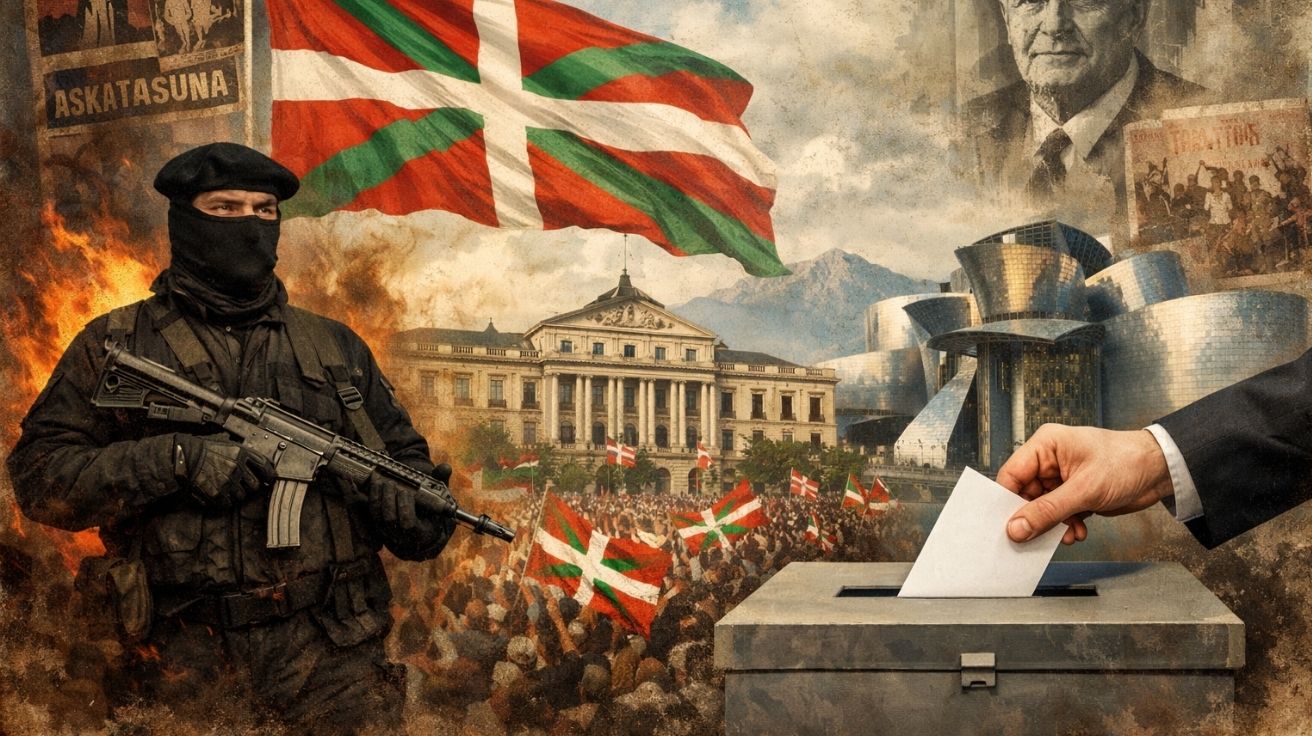
The term basqueserpartists is often used online as a variation of Basque separatists, referring to ideas connected to regional identity, autonomy, and cultural preservation in northern Spain and southwestern France. Understanding it requires looking beyond headlines to history, language, and the evolving story of a distinctive community.
Today, conversations around basqueserpartists focus less on conflict and more on identity, democratic participation, and cultural revival. This article explores those themes in a clear, balanced way, helping readers understand how past events continue to shape modern perspectives.
Origins and Early Identity
The Basque people have long been recognized for their unique heritage and ancient language, Euskara. Historians often describe this identity as deeply rooted in local traditions that existed long before modern nation-states formed, shaping a strong sense of belonging and regional pride that continues today.
During the nineteenth century, industrial growth and political change encouraged debates about preserving culture while adapting to modernization. These early discussions helped form the ideas that later became associated with basqueserpartists and regional nationalism.
The Rise of Basque Nationalism
Organized Basque nationalism gained momentum in the late nineteenth century as thinkers promoted recognition of Basque identity. Many supporters believed regional traditions and local governance deserved protection, especially as centralized policies began to reshape political life across Spain.
As these ideas spread, viewpoints diversified. Some advocated peaceful reform within existing systems, while others pushed for stronger political change, creating a broad spectrum of perspectives that later shaped the modern understanding of basqueserpartists.
Language and Cultural Foundations
Language has always played a central role in Basque identity. Euskara symbolizes resilience and continuity, linking generations through storytelling, festivals, and shared traditions that strengthen community bonds and highlight the cultural dimension of the movement.
For many people, preserving language and heritage matters more than political independence itself. Cultural organizations, artists, and educators continue to promote traditions, showing that basqueserpartists are often connected to identity rather than confrontation.
Franco Era and Historical Pressure
During the Franco dictatorship, regional languages and cultural expressions faced significant restrictions, creating a climate of tension that deeply affected Basque communities. These policies intensified feelings of marginalization and helped shape new political responses rooted in identity and resistance.
Amid this environment, ETA was formed in 1959, initially promoting cultural awareness before evolving into an armed organization. Its actions later influenced how the world perceived basqueserpartists, even though many Basque nationalists rejected violence.
Conflict, Controversy, and Changing Perceptions
The decades-long Basque conflict brought global attention, largely due to violent incidents linked to ETA. These events shaped public perception and created complex debates about identity, politics, and the boundaries between activism and militancy.
Despite the headlines, basqueserpartists were never a single unified group. Many individuals and organizations supported peaceful democratic engagement, illustrating the diversity of views within Basque society.
Autonomy and Political Transformation
Spain’s transition to democracy introduced significant regional autonomy, allowing the Basque Country to develop its own parliament and institutions. This shift created new opportunities for political participation and redefined how regional identity could coexist within a larger national framework.
As autonomy expanded, discussions moved from confrontation toward governance and policy. Many basqueserpartists began focusing on economic development, education, and cultural investment rather than purely independence-focused goals.
The End of Armed Struggle
A defining moment came when ETA declared an end to its armed campaign and later dissolved. This transition marked the closing of a difficult chapter and opened space for more constructive dialogue about identity and regional aspirations.
The modern era of basqueserpartists is therefore shaped by peaceful engagement. Political discussions now take place primarily through democratic institutions, reflecting a broader commitment to dialogue rather than conflict.
Modern Basqueserpartists and Society
Today’s basqueserpartists represent a wide range of perspectives, from advocates of independence to supporters of strong regional autonomy within Spain. Elections and public debates show that identity continues to influence political life, though views remain diverse.
Younger generations often approach the topic differently, emphasizing cultural revival, environmental concerns, and creative expression. Social media and local arts scenes have become important spaces where Basque identity is explored and shared.
Global Influence and Cultural Recognition
The Basque Country has gained global attention through cultural achievements, architecture, and cuisine. Cities like Bilbao symbolize transformation, blending modern innovation with traditional heritage while attracting visitors interested in the region’s distinct identity.
International recognition has helped shift the narrative away from conflict toward creativity and cultural pride. Festivals, sports, and artistic projects now play a major role in how basqueserpartists are perceived worldwide.
Debates and Different Perspectives
Discussions about basqueserpartists include many viewpoints, reflecting the complexity of regional identity in modern Europe. Supporters often highlight cultural preservation and local decision-making, while critics raise concerns about political division or uncertainty.
These debates show how identity movements evolve alongside changing social realities. The Basque experience offers insight into balancing tradition, democratic values, and the challenges of an interconnected world.
Clarifying Personal Details and Misconceptions
Because basqueserpartists refer to a movement rather than an individual, personal details such as age, height, family background, or net worth do not apply in the usual sense. The topic focuses on collective identity instead of personal biography.
Even so, many Basque activists and cultural figures share ideas online through social platforms. These spaces encourage education and storytelling, helping people connect with Basque heritage in contemporary ways.
Fun Facts and Lesser-Known Insights
One fascinating aspect of the Basque story is the mystery surrounding Euskara’s origins. Linguists still debate how this ancient language developed, and its uniqueness has contributed to the strong sense of identity shared by Basque communities. (nationalgeographic.com)
Another interesting detail is the region’s economic structure. The Basque Country manages its own tax system, giving it a level of financial independence that many regions around the world do not have. This arrangement has allowed local institutions to invest heavily in education, innovation, and cultural preservation.
Challenges and Future Outlook
The future of basqueserpartists will likely depend on dialogue, cooperation, and changing generational attitudes. Economic challenges and evolving political landscapes may influence how regional identity continues to develop in the years ahead.
Many observers believe cultural strength will remain central to the Basque story. As discussions move forward, the focus appears increasingly directed toward collaboration, sustainability, and shared progress.
Conclusion
The story of basqueserpartists reflects a journey shaped by language, history, and shifting political realities. From early cultural movements to modern democratic participation, the evolution shows how communities adapt while preserving a strong sense of identity.
Understanding this topic reminds us that identity is complex and constantly changing. The Basque experience demonstrates how culture and politics can coexist, offering valuable insight into the broader conversation about regional belonging in today’s world.
FAQs
What does basqueserpartists mean?
The term usually refers to Basque separatists or regional identity movements connected to autonomy, culture, and history in the Basque Country. It reflects political and cultural discussions rather than a single organization.
Are basqueserpartists active today?
Yes, but mostly through democratic politics, cultural initiatives, and public debate instead of conflict. Modern discussions focus on identity, governance, and regional rights within contemporary society.
Is basqueserpartists only about politics?
No. Many people associate it with language preservation, traditions, and cultural pride. For many communities, the emphasis is on heritage and identity, not solely political independence.
Why is the Basque language important?
Euskara represents historical continuity and cultural uniqueness. Its preservation helps maintain a strong sense of belonging and is often viewed as a symbol of resilience within Basque society.
How is basqueserpartists viewed globally?
International perspectives have evolved over time. Today, the focus is more on cultural influence, regional autonomy, and peaceful dialogue, reflecting a broader understanding beyond past conflicts.
Do Read: FBISD Skyward: A Parent’s Guide to Grades, Attendance, and More